How the lagoon works
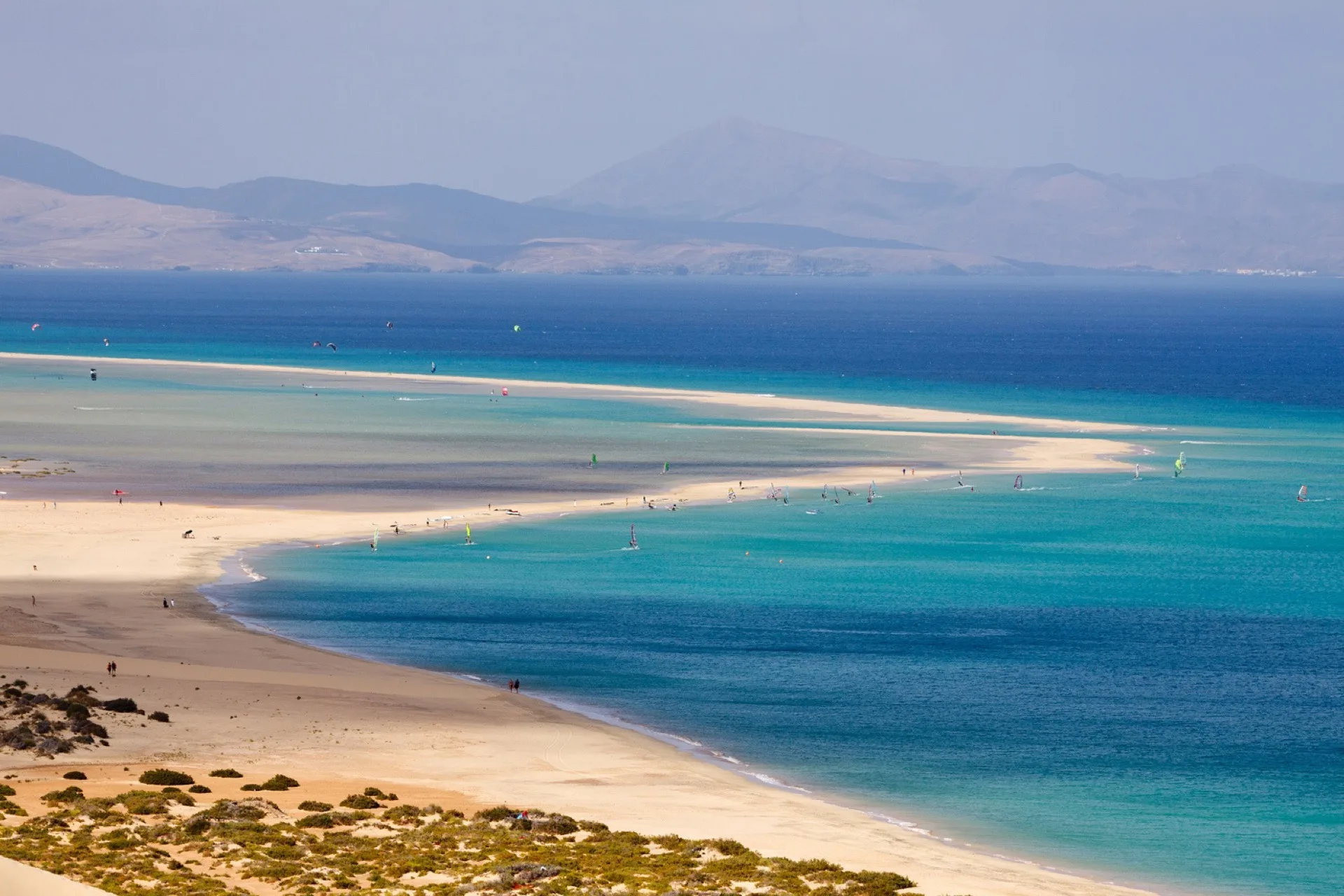
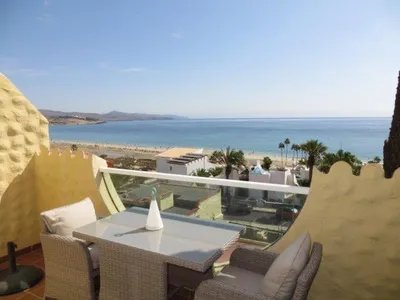
Sotavento's shape is what makes it. A sandbar runs about three kilometres parallel to the coast, and at high tide the water trapped between it and the shore becomes a wide, shallow lagoon — rarely more than knee-deep, with nothing in it to hit. Add the same steady trade winds that draw kitesurfers to the rest of the east coast and you get what experienced windsurfers call the perfect playground, which is why the PWA Windsurfing World Cup comes here every July and August.
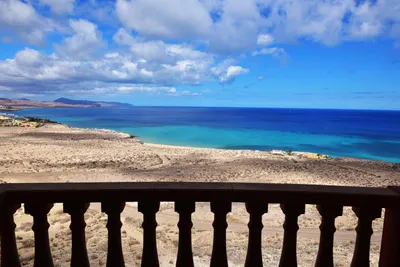
Half the appeal is tidal. High tide fills the lagoon. Low tide drains it almost completely and leaves an enormous flat sandbar behind — kilometres of wet sand reflecting the sky, closer to a Wadden Sea landscape than a Canarian beach. Both are worth seeing, so check the tide times before you set out.
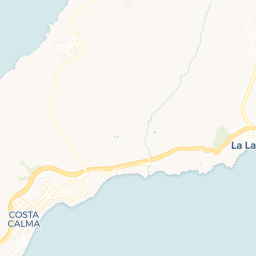
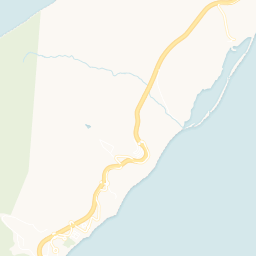
The beach runs about five kilometres across several named sections: Risco del Paso, with the southern lagoon and the main windsurf zone; La Barca, further north; and the long northern stretch towards Costa Calma. Walking the lot takes a couple of hours.